
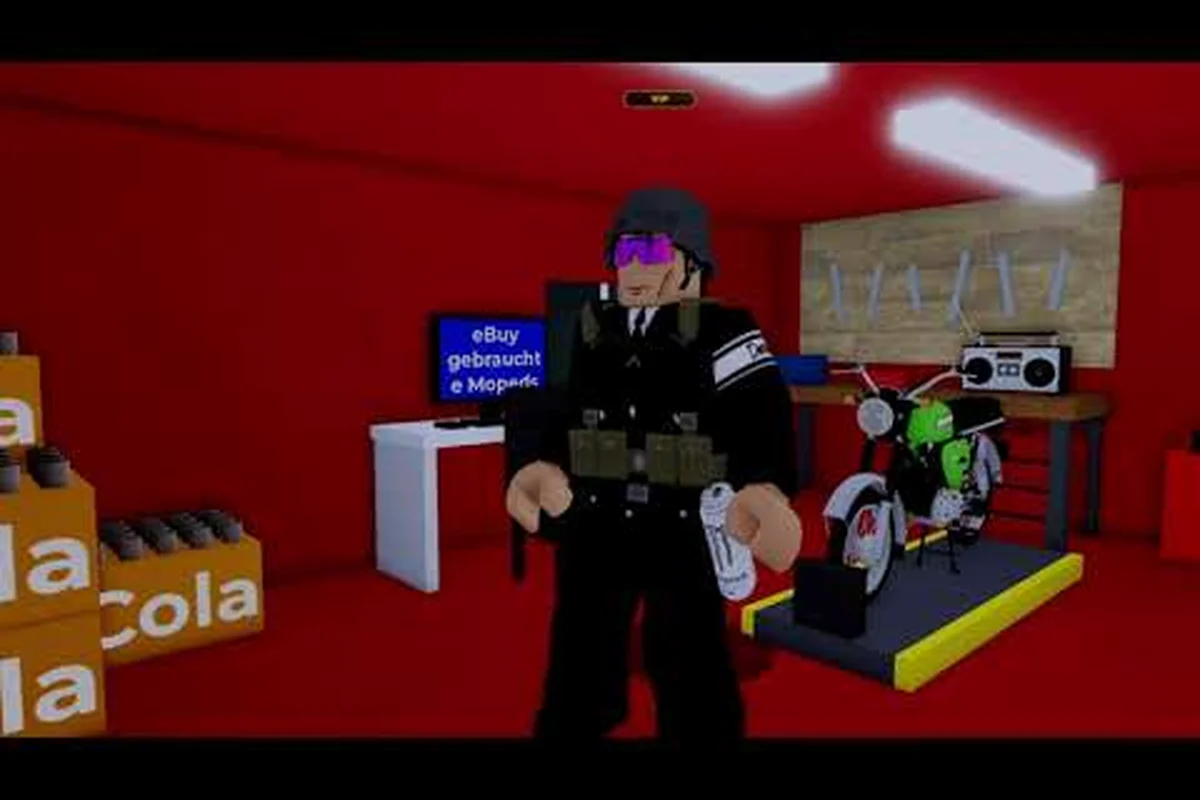
German Moped Days moped colors are one of the fastest ways to make a stock Simson feel like your own, and the paint system is deeper than most players expect. This guide breaks down every color option, how customization actually works, and which choices pay off in the garage.
According to a German Moped Days color reference video, the moped color data is drawn directly from the game's official paint options.
How the German Moped Days Moped Colors System Works
The paint and cosmetic layer in German Moped Days is built around a simple idea: every moped you buy can be repainted, re-trimmed, and re-detailed without touching its engine. According to community overviews from beta players, the game leans heavily on classic German bikes, and the Simson S51 in particular is praised for its classic look and strong tuning potential. That makes color choice a big deal, because you will stare at that frame for dozens of hours.
Customization splits into three layers that stack on top of each other. The base paint covers the frame, tank, and side panels. Accent trim handles small details like the seat piping, rim stripes, and decals. Functional cosmetics include lights, exhaust tips, and mirrors, which change how the bike reads at night or in a crowd.
Base paint is where the bulk of your visual return lives, since it recolors the three largest surfaces on the Simson S51 — frame, tank, and side panels — for a low-to-mid spend, while accent trim stays cheap and functional cosmetics sit in the mid tier. That gap matters because tuning parts, the only high-cost layer, deliver zero visual change, so a new rider can repaint an entire S51 for less than a single engine or carb upgrade and still stand out in a night meet.
| Customization Layer | What It Covers | Typical Cost Range | Visual Impact |
|---|---|---|---|
| Base paint | Frame, tank, side panels | Low to mid | Very high |
| Accent trim | Seat piping, rim stripes, decals | Low | Medium |
| Functional cosmetics | Lights, exhaust tips, mirrors | Mid | Medium to high |
| Tuning parts | Engine, carb, exhaust | High | Performance only |
The key takeaway is that color work is cheap relative to performance work, so it is the smart first move for any new rider. If you are still deciding which bike to buy before you start painting, the moped list breakdown covers stats, prices, and the fastest models side by side.
Where Paint Fits in the Progression Loop
Most players treat color as a cosmetic afterthought, but it actually slots neatly into the early game. You earn euros from deliveries and odd jobs, and a full repaint costs far less than a first engine upgrade. That means you can personalize your ride within your first hour instead of grinding for hours first.
Community clips of the beta show players repainting bikes almost immediately after their first purchase, then layering lights and trim as they earn more. On the starter Kreidler, a full respray runs roughly 120–180 euros, while the first meaningful engine upgrade (typically a 50cc to 70cc kit) costs several times that — so color is genuinely the cheapest meaningful customization a new rider can buy. The pattern holds across the german moped days moped tier list too: even S-tier frames like the Zündapp KS 50 get cosmetic-first treatment, since paint and trim don't affect handling stats or top speed, letting players personalize freely without compromising the fastest moped list performance they're chasing.
Does Color Affect Performance?
No. Paint, trim, and cosmetic parts are purely visual and do not change top speed, acceleration, or handling. If you want real gains, you need tuning parts, and the performance tuning guide explains which upgrades actually move the needle. Keep the two systems separate in your budget so you do not overspend on looks when you need speed.
Popular German Moped Days Moped Customization Styles
Players tend to settle into a handful of recognizable looks, and knowing them helps you avoid a build that feels generic. The most common styles are factory restoration, street tuner, rally rat, and show bike. Each one uses the same tools but weights color, trim, and parts differently.
Factory restoration is the purist route. You match the original Simson palette, keep chrome clean, and avoid loud decals. Street tuner goes the other way, with bold two-tone paint, colored rim stripes, and aftermarket lighting. Rally rat embraces wear, mixing mismatched panels with functional mods. Show bike is the flex build, with rare colors, polished metal, and every cosmetic slot filled.
| Style | Signature Colors | Must-Have Parts | Best For |
|---|---|---|---|
| Factory restoration | Original Simson tones | Stock chrome, period decals | Purists and collectors |
| Street tuner | Two-tone, neon accents | Rim stripes, LED lights | Standing out in lobbies |
| Rally rat | Faded, mismatched | Bash guards, knobby tires | Off-road and stunt runs |
| Show bike | Rare metallics | Polished exhaust, mirrors | Garage showcases |
Each style is viable, and none of them locks you out of performance upgrades later. The main constraint is budget, since show builds eat euros fast. A factory restoration is usually the cheapest to finish because you are buying stock Simson parts and period decals rather than hunting rare metallics, while a show bike can drain your wallet on polished exhausts, mirrors, and low-supply paint codes alone. Street tuner sits in the middle: rim stripes and LED lights are cheap, but a proper two-tone respray pushes cost up fast. Rally rat is the budget king, since faded mismatched panels and bash guards are the least expensive parts to source.
Two-Tone and Gradient Tricks
Two-tone paint is the single most popular customization choice because it reads clearly at distance. Splitting the tank and side panels into contrasting colors makes a small moped look wider and more aggressive. Gradients are harder to pull off well, so most players stick to clean splits.
A useful trick is to match your accent trim to the secondary color rather than the primary one. That creates a deliberate contrast instead of a muddy blend, and it costs almost nothing extra. On a Kreidler Florett with a black-over-cream split, for example, painting the fender stripes cream instead of black ties the two tones together and makes the split read as intentional rather than accidental. The same logic applies to pinstriping along the tank seam: a thin line in the secondary hue frames the primary panel and sharpens the silhouette at speed. Because trim pieces like fender edges, headlight rims, and chain guards are cheap to repaint, you can test a color pairing on those first before committing to a full respray. This keeps your German Moped Days moped customization budget focused on performance parts like exhausts and carburetors, where the real gains sit.
Decals, Stripes, and Detailing
Small details separate a good build from a forgettable one. Rim stripes, tank decals, and seat piping add definition without dominating the silhouette. Community reports suggest players spend more time on trim than on base paint once they understand the system, because trim is what makes a bike recognizable in a crowded lobby.
German Moped Days Moped Parts and Upgrades That Pair With Color
Color choices interact with parts more than you might think. A bright paint job makes cheap plastic parts look worse, while a muted palette hides imperfections and lets chrome carry the build. If you plan to upgrade heavily, pick a color scheme that survives part swaps.
The table below ranks which parts most affect how your paint reads, along with rough priority for a cosmetic-focused build. Treat it as a shopping order rather than a wish list: wheels and tires and lights sit at High priority for looks because rim color and lens tint are large, flat surfaces that either reinforce or fight your base coat, while exhaust lands at Medium for looks but High for speed, so a chrome or blacked-out pipe is a cheap way to buy silhouette without sacrificing performance. Handlebars and seat stay at Medium and Low for looks, meaning they are the last places to spend money if the paint is already doing the work — swap them only once stance, rim color, and lighting are dialed in.
| Part | Cosmetic Role | Priority for Looks | Priority for Speed |
|---|---|---|---|
| Exhaust | Silhouette and sound | Medium | High |
| Wheels and tires | Stance and rim color | High | Medium |
| Handlebars | Rider posture | Medium | Low |
| Lights | Night visibility | High | Low |
| Seat | Color and comfort | Medium | Low |
Exhaust and wheels do the most visual work after paint itself, which is why the tier table flags wheels and tires as High priority for looks while exhaust sits at Medium for looks but High for speed. A polished chrome exhaust tip catches light and frames the rear of the bike, so a blacked-out pipe on a dark base coat can make the tail vanish entirely; a chrome pipe instead adds a bright horizontal accent that reads against almost any German moped color. Rim color then ties the scheme together, and on a 16-inch moped wheel the rim is a large enough flat surface that a gold or white rim against a deep green or burgundy tank either locks the palette or splits it in two.
Budgeting Euros for Looks vs. Speed
New riders often blow their first savings on paint and then cannot afford a single performance part. A healthier split is roughly one-third cosmetics, two-thirds mechanical until your bike is competitive, then flip the ratio once you are happy with speed. The money-making guide walks through the fastest ways to earn euros so you can fund both sides without grinding forever.
When to Repaint vs. Rebuy
Repainting is almost always cheaper than buying a new moped, so treat color as a renewable resource. Only rebuy when you want a different chassis entirely, such as moving from a 50cc commuter to a 110-class machine. For reference, the MTX 110 is a two-stroke classic pitched at 110-class performance, and the larger MTX 130 variant adds more power on top of that.
Choosing the Best Moped for Money and Color Potential
Not every moped is equally rewarding to customize. Some have more paintable surface area, better part support, or a silhouette that shows color well. If you want a bike that looks good and performs for the price, the best starter moped comparison is worth reading before you commit.
The table below ranks common picks by value, cosmetic flexibility, and speed ceiling, based on community chatter and beta footage. It is worth reading as a tier list rather than a single verdict, because the three columns rarely peak together: the Simson S51 scores high on value and very high on cosmetic flexibility, but its speed ceiling only reaches "high with tuning," meaning you trade extra wrench time and moped parts for that top-end. The MTX 110 sits in the middle on all three, while the MTX 130 keeps medium value and flexibility yet jumps to a high speed ceiling — a useful data point if your german moped days build prioritizes pace over paint. The entry 50cc commuter wins on pure value but bottoms out on cosmetic flexibility and speed, so it suits riders who want cheap seat time rather than a custom color project.
| Moped | Value for Money | Cosmetic Flexibility | Speed Ceiling |
|---|---|---|---|
| Simson S51 | High | Very high | High with tuning |
| MTX 110 | Medium | Medium | Medium |
| MTX 130 | Medium | Medium | High |
| Entry 50cc commuter | Very high | Low | Low |
The Simson S51 stands out because it combines strong tuning potential with a classic frame that takes paint beautifully. A 130cc Simson also shows up frequently in community content as a favorite for first starts and custom garage work, which tells you the platform rewards long-term investment.
Matching Color to Your Riding Role
If you mostly run deliveries, a bright, high-visibility scheme helps you spot your own bike in traffic and looks intentional rather than random. If you ride for show, rare metallics and polished accents justify the higher cost. Match the palette to the job and the build will feel coherent.
Reading the Tier List Before You Paint
A tier list is only useful if it reflects your goals, so check whether a ranking weights speed, price, or style. The fastest moped list matters if you race, but a value ranking matters more if you are still building your garage. Paint decisions should follow the bike that fits your plan, not the one with the loudest color.
Practical German Moped Days Moped Upgrades for a Standout Build
Once your color scheme is locked, upgrades should support the look rather than fight it. The most effective sequence is paint first, then wheels and lights, then engine work. That order keeps your bike visually finished early while you save for the expensive mechanical parts.
A simple checklist for a standout build: pick a base color that contrasts with your accent trim, add rim stripes or decals for definition, install lights that match the palette, upgrade wheels before engine parts for visual payoff, and save tuning for last so cosmetics do not eat your budget. Treat this as your German Moped Days moped customization roadmap — a stock Kreidler or Zündapp in factory beige reads as forgettable on the meet lineup, but the same frame resprayed in a two-tone scheme with matching rim stripes and a period-correct headlight climbs the moped tier list purely on presentation.
- Pick a base color that contrasts with your accent trim
- Add rim stripes or decals for definition
- Install lights that match the palette
- Upgrade wheels before engine parts for visual payoff
- Save tuning for last so cosmetics do not eat your budget
Following that order means every euro you spend is visible on the bike, which keeps the grind motivating. A Kreidler Florett resprayed in Gulf Blue with matching rim stripes shows a full cosmetic transformation for roughly the price of a single Bing carburetor rebuild, so a beginner chasing the german moped days best moped for money title sees tangible progress long before touching the cylinder. Because judge panels at German Moped Days score presentation separately from engine class, a two-tone Zündapp with period-correct lighting can outrank a faster but scruffy tuned bike on the moped tier list, meaning cosmetic-first spending buys points that raw horsepower cannot.
Common Color Mistakes to Avoid
The most frequent mistake is overloading the palette. Three or more competing colors make a small moped look cluttered, and the frame loses its shape. Stick to two main colors plus one accent. The second mistake is ignoring lighting, since a great paint job disappears at night if your lights are dim or mismatched.
How to Test a Scheme Before Committing
If the game lets you preview paint before purchase, use it every time. Previewing costs nothing and prevents an expensive repaint later. When previews are unavailable, start with the cheapest layer, usually trim, and build up once you like the direction.
Frequently Asked Questions
Do German Moped Days moped colors affect speed or handling?
No, paint and cosmetic parts are purely visual and never change top speed, acceleration, or handling. Performance comes entirely from tuning parts like the engine, carburetor, and exhaust. Budget your euros separately for looks and speed so a flashy repaint never delays your first real upgrade.
What is the best moped for money if I want to customize heavily?
The Simson S51 is the strongest all-round pick because it pairs a classic frame that takes paint well with high tuning potential. Community content also highlights a 130cc Simson as a favorite for custom garage work, making it a solid long-term platform for both color and performance builds.
Can I repaint a moped more than once?
Yes, repainting is repeatable and far cheaper than buying a new bike, so treat color as a renewable resource. Only rebuy when you want a completely different chassis, such as moving from a 50cc commuter up to a 110-class or 130-class machine.
Which customization layer gives the biggest visual change?
Base paint delivers the largest visual change because it covers the frame, tank, and side panels all at once. Accent trim and functional cosmetics refine the look afterward, but the base color is what makes your moped instantly recognizable in a crowded lobby.
Are rare colors worth the extra cost?
Rare metallics and polished finishes are worth it for show builds where standing out is the goal, but they add little value for everyday riding. If you mainly run deliveries, a bright, high-visibility scheme is more practical and costs far less than a premium metallic repaint.
Color is the cheapest meaningful upgrade in German Moped Days, and it is the one you see every single ride. Start with a clean two-color scheme, add trim and lights that support it, and save your tuning budget for the parts that actually change how the bike performs. Get the palette right early and every later upgrade will look like it belongs.